



Where We Send Our Guests: 10 of the Best Wineries to Visit in Napa Valley
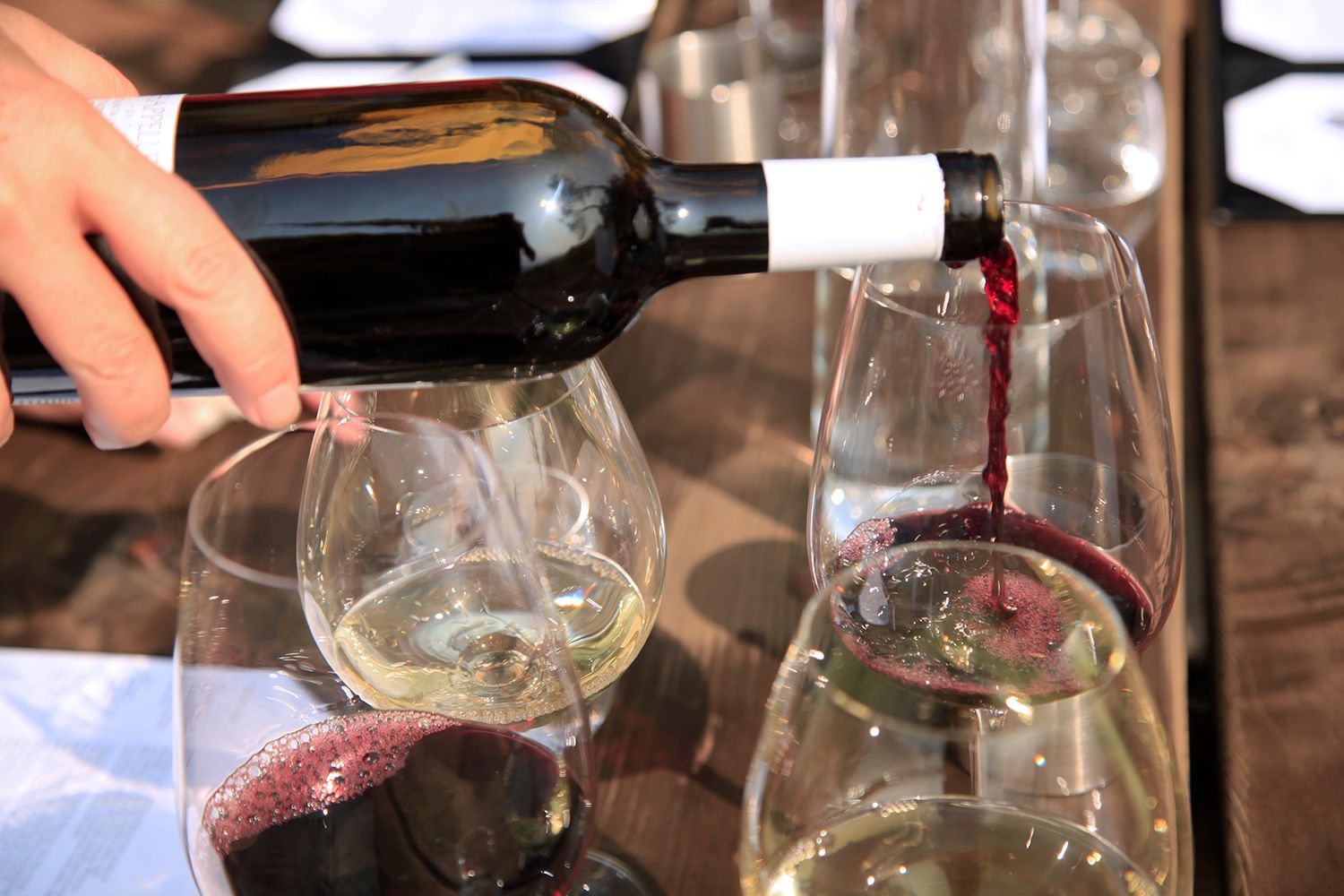
With hundreds of wineries between Carneros and Calistoga, deciding where to spend your time in Napa Valley can be harder than it looks. Some estates are known for mountain-grown Cabernet Sauvignon. Others draw visitors for historic cellars, gardens, architecture, or a more intimate tasting experience.
When guests ask us where else they should visit in Napa Valley, these are some of the wineries we’re happy to recommend. Each has its own history, setting, and point of view, and each offers a different look at Napa Valley.
Chappellet: Mountain Wine and Pritchard Hill Views
The road to Chappellet winds past Lake Hennessey before climbing toward Pritchard Hill, where our family has grown wine grapes since 1967.
The vineyards rise across rocky slopes at elevations from 800 to 1,800 feet. At the center of the estate is our pyramid-shaped winery, completed in the late 1960s and still one of Napa Valley’s more recognizable and iconic winery buildings.
Chappellet remains one of the few Napa Valley wineries that is family owned. We are best known for mountain-grown Cabernet Sauvignon. Small berries, rocky soils, elevation, and cooler nights all play a role in the concentration, structure, and natural acidity of the wines.
The Pinnacle of Pritchard Hill Tour and Tasting includes a guided look at the vineyards and winery, followed by a private tasting of current releases. Guests looking for a deeper visit can taste wine from the barrel and sample select bottles with local cheeses during the Pritchard Hill Estate Tour and Tasting.
Best for: Mountain Cabernet Sauvignon, private tastings, sweeping views, and collectors
Wine to know: Chappellet Signature Cabernet Sauvignon, a Cabernet that captures the concentration, structure, and natural freshness of our mountain vineyards.
Visits are available by reservation, and we recommend booking our most limited experiences well ahead of your trip. Give yourself time for the drive up Pritchard Hill rather than trying to fit the visit between two tightly scheduled appointments.

Corison Winery: Cabernet With Power and Elegance
Corison Winery sits along Highway 29 in St. Helena. The barn-like winery, old vines, and focused tasting format keep the visit centered on the wines.
Winegrower Cathy Corison founded the winery in 1987 after years of winemaking experience that included time at Chappellet on Pritchard Hill. Her Cabernets come from benchland vineyards between Rutherford and St. Helena, where well-drained soils help produce wines with freshness, perfume, and the ability to age.
We love sending guests to Corison because Cathy’s wines have always remained true to her style and have never chased the latest trends. Her Cabernets are structured and long-lived, with the balance and acidity to work well at the table.
Corison describes itself as a small family farm. The visit is quiet and focused, with plenty of opportunity to talk about the vineyards and wines.
Best for: Classic Cabernet Sauvignon, serious wine lovers, and a calm family winery visit

Frog’s Leap: A Relaxed Garden Tasting in Rutherford
Frog’s Leap offers a very different setting from a mountain estate. Its Rutherford property has gardens, fruit trees, red barns, and broad vineyard views, with a relaxed farmhouse feel.
For guests spending part of the day tasting mountain Cabernet at Chappellet, we often like Frog’s Leap as a contrast. The vineyards sit on the valley floor, the hospitality is informal, and the winery has a long history of dry farming and responsible agriculture.
Frog’s Leap produces Sauvignon Blanc, Chardonnay, Zinfandel, Merlot, and Cabernet Sauvignon, which makes it a useful stop for groups with different wine preferences.
Guests can choose between a garden tasting and a more detailed vineyard house tour. Conversations often include soil, dry farming, vineyard practices, and wine style.
Best for: Gardens, sustainable farming, mixed wine preferences, and an unhurried afternoon.

Spottswoode Estate: An Intimate Look at Historic St. Helena
Spottswoode is centered around a historic Victorian home on the western edge of St. Helena, with roots reaching back to 1882. The Novak family purchased the property in 1972, and the first Spottswoode Estate Cabernet Sauvignon followed a decade later.
The estate remains family owned, and its vineyard is certified organic, biodynamic, and regenerative organic.
During the Spottswoode Estate Tour and Tasting, guests walk through the vineyard before tasting Sauvignon Blanc, Lyndenhurst Cabernet Sauvignon, and the flagship Estate Cabernet Sauvignon. A library and barrel tasting is also available for guests who want to see how the wines develop over time.
One detail we’ve always admired about Spottswoode is the way its Estate Cabernet label has kept the historic Victorian home at the center of the design. It reminds us of our own Signature Cabernet, which has held onto its core white label and white capsule identity for decades. We appreciate that both wines have remained true to their style.
Best for: Organic viticulture, intimate visits, elegant Cabernet Sauvignon, and family winery history.
Stag’s Leap Wine Cellars: A Piece of Napa Valley Wine History
Stag’s Leap Wine Cellars is closely tied to one of the best-known events in California wine history. At the 1976 Judgment of Paris, its Cabernet Sauvignon received the highest score among the red wines.
The estate looks across the FAY and S.L.V. vineyards toward the Stags Leap Palisades. From the visitor center, guests can see the rocky formation associated with the district’s best-known legend, in which a stag escaped hunters by leaping across the peaks.
A signature tasting introduces guests to current releases from the estate vineyards. Other experiences may include cave visits, limited-production wines, cheese and charcuterie, or older Cabernet Sauvignon from the library.
Today, Stag’s Leap Wine Cellars is owned by the Antinori family, whose winemaking history in Florence dates to 1385 and spans 26 generations. As the third generation of our family begins to take part at Chappellet, we look to the Antinori family as inspiration for how a family winery can carry its traditions forward.
Best for: First-time Napa visitors, Cabernet Sauvignon, vineyard views, and California wine history.
Far Niente: Old Napa Elegance in Oakville
Far Niente’s Oakville estate includes a historic stone winery, landscaped grounds, mature trees, and wine caves.
The winery is closely associated with Chardonnay and Cabernet Sauvignon, and tastings often give guests the opportunity to try both.
Visits can include the historic winery, wine caves, landscaped grounds, and seated tastings of Far Niente wines. The century-old cork trees are another memorable feature of the property.
The name Far Niente comes from the Italian expression il dolce far niente, meaning “the sweetness of doing nothing,” a fitting reference for an estate designed around leisurely hospitality.
Best for: Couples, Chardonnay, classic Napa scenery, and a refined private tasting
Mayacamas Vineyards: The Mountain Road Less Traveled
Mayacamas sits high on Mount Veeder, reached by a winding road that leaves Napa Valley’s main tasting routes behind.
Wine has been made on the property since the late 1800s, and the old stone cellar remains in use today.
Mayacamas is best known for classically styled Cabernet Sauvignon, Chardonnay, and Merlot. It also produces Sauvignon Blanc, Grenache Rosé, and a small range of kosher wines. The wines are known for acidity, restraint, and long aging potential.
Private estate visits cover the winery’s history, mountain vineyards, and current releases. Some experiences include library vintages.
Mayacamas also pairs naturally with a visit to Chappellet. Allow roughly an hour to travel between the two estates, crossing from Pritchard Hill on the eastern side of the valley to Mount Veeder in the western hills. We often encourage guests to visit both. The soils, microclimates, elevations, and vegetation are different, and tasting on both sides of the valley gives a clear sense of how varied mountain Cabernet can be within Napa.
Best for: Mountain scenery, cellar-worthy wines, historic winemaking, and private tours.

Schramsberg Vineyards: Go Underground for Napa Sparkling Wine
Schramsberg is an easy change of pace after a morning of Cabernet tasting. The winery is known for traditional-method sparkling wines, including Blanc de Blancs, Blanc de Noirs, and reserve bottlings.
Its historic caves were carved into the hillside during the 19th century and now hold rows of bottles aging underground.
There is a Chappellet connection here, too. Before our winery on Pritchard Hill was complete, wine from our earliest production was aged at Schramsberg.
Guided visits explain how sparkling wine moves from still base wine to a finished bottle, including the roles of riddling, aging, and blending. Seeing the bottles in the caves makes the process much easier to understand.
Best for: Sparkling wine, historic caves, wine education, and a break from Cabernet.
Chateau Montelena: History, Chardonnay, and Calistoga Charm
Chateau Montelena is another winery closely tied to the Judgment of Paris. Its 1973 Chardonnay took first place among the white wines in the 1976 tasting.
The Calistoga estate includes the stone chateau and views of Jade Lake. Current tastings focus on the winery’s wines and vineyard practices, while walking tours cover important parts of the property’s history.
A vineyard-focused experience gives visitors a closer look at the estate and the growing conditions that shape its wines.
Best for: Chardonnay, Napa history, Calistoga itineraries, and a scenic setting.

Inglenook: A Grand Rutherford Estate With Deep Roots
Inglenook was founded in 1879 by Gustave Niebaum. The Rutherford property includes a grand chateau and a long history of Cabernet production.
The Coppola family spent decades restoring the estate, its vineyards, and its historic identity. In 2011, the family reacquired the Inglenook name, reuniting the historic label with the Rutherford property. Rubicon remains the flagship red wine.
Current-release tastings introduce guests to Inglenook’s wines and history. Library experiences may include older red wines, Rubicon, and food from the estate kitchen.
Inglenook also holds a personal place for our family. The late Eleanor Coppola, an artist, filmmaker, and writer, was a close friend of Molly Chappellet for many years. We think of her fondly whenever we send guests to the estate she and her family helped restore.
Best for: Architecture, Rutherford Cabernet, library wines, and historic estates.
Which Napa Winery Should You Visit First?
If guests ask us how to plan a visit, we usually start with what they want to taste and how much driving they want to do.
For mountain-grown Cabernet, Chappellet and Mayacamas offer two very different mountain settings. Corison and Spottswoode are good choices for smaller, more intimate estate visits. Frog’s Leap is especially enjoyable for guests who want gardens and a more casual afternoon. Far Niente and Inglenook offer larger historic estates with strong architectural character.
For Napa wine history, Stag’s Leap Wine Cellars and Chateau Montelena tell two parts of the Judgment of Paris story. Schramsberg offers sparkling wine and one of the valley’s most interesting cave experiences.
Across two days, a well-rounded itinerary might include:
- One mountain estate
- One valley-floor Cabernet producer
- One historic winery
- One stop focused on sparkling wine or Chardonnay
That combination gives you a better sense of how much Napa changes from one part of the valley to another.
A Few Tips Before You Set Off
Two or three winery visits are plenty for one day. Napa looks compact on a map, but traffic, mountain roads, and lunch can quickly change a schedule.
Book early, particularly for smaller estates where the number of appointments each day may be limited. Leave at least 30 minutes between nearby stops and more time when heading into the hills. If everyone in your group plans to taste, arrange for a local driver.
Leave yourself more time than you think you need. Tastings often run long, especially when the conversation gets interesting.
If Pritchard Hill is on your route, we’d love to welcome you at Chappellet. The drive above the valley, the quiet of the estate, and the chance to taste mountain-grown wines where they are made give guests a very different perspective on Napa Valley.
FAQs
What are the most beautiful wineries in Napa Valley?
Beauty means different things depending on whether you prefer historic architecture, gardens, castles, modern design, or mountain views. Wineries we often hear mentioned by guests include Chappellet, Castello di Amorosa, Domaine Carneros, Artesa, Far Niente, and Stag’s Leap Wine Cellars.
What are some of the best wineries to visit in Napa Valley?
For mountain Cabernet, consider Chappellet or Mayacamas. Corison and Spottswoode are good choices for intimate estate visits. Frog’s Leap is known for its gardens and relaxed setting. Stag’s Leap Wine Cellars, Chateau Montelena, Schramsberg, and Inglenook all offer significant Napa Valley history. Far Niente is a strong choice for visitors drawn to classic Napa architecture and Chardonnay.
Which wineries in Napa Valley offer the best views?
Chappellet, Artesa, Sterling Vineyards, Domaine Carneros, and CADE Estate Winery are all known for memorable views. At Chappellet, our picnic meadow overlooks Lake Hennessey and is available as a complimentary benefit for members.